
Latest News
90 civilians killed or wounded in past 24 hours

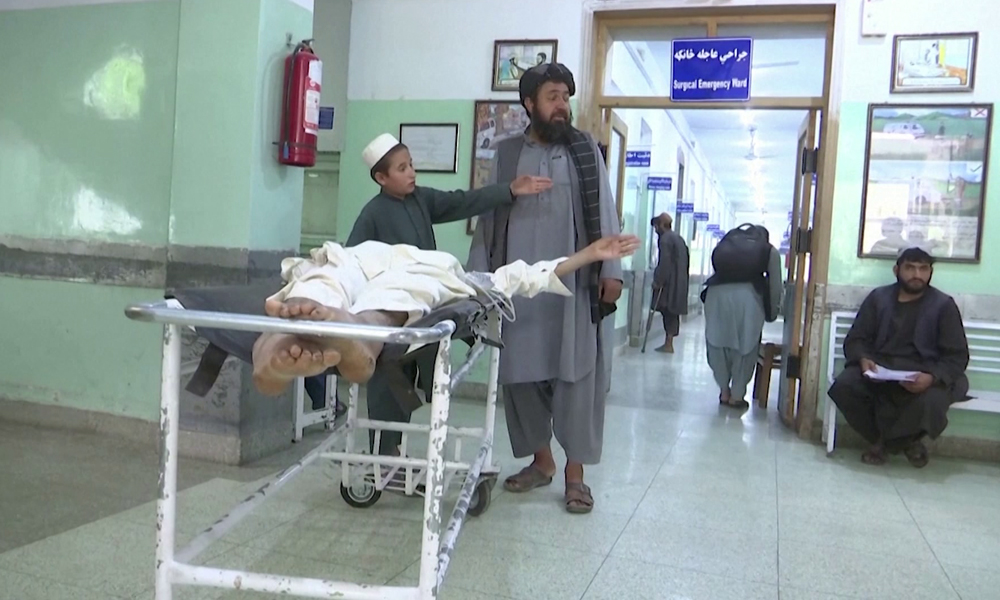
More than 20 civilians, including children and women, were killed and 70 others were wounded in the past 24 hours in clashes across Afghanistan, government data indicates.
While the ministry of interior blames the Taliban for the casualty toll, the Taliban denies the allegations.
“An average of 30 to 40 civilians are killed and wounded daily in clashes between the Taliban, and the main cause of casualties are Taliban,” said Mirwais Stanikzai, the ministry’s spokesman.
According to central hospital statistics, two civilians were killed and 47 others were injured overnight in Kandahar alone. In Herat, three people were killed and about 20 others, including women and children, were injured overnight.
“In the fourteen days since the beginning of the Herat clashes, a total of 384 people have been injured and 41 killed. Of these, 257 are civilians and 24 are women and 31 are children,” said Mohammad Arif Jalali, head of the regional hospital in the province.
On the other hand, local officials in Takhar say that at least 30 soldiers have been killed, 40 wounded in clashes and 70 army soldiers have surrendered to the Taliban following the insurgent group’s takeover of Taloqan city.
Meanwhile, local officials in Balkh province said that at least seven civilians were killed in the past 24 hours during clashes in the province.
“Unfortunately, as you know, the Taliban, against human rights organizations, shield people’s homes and use people’s homes as strongholds, causing civilian casualties,” said Farhad Azimi, Balkh governor.
Human rights organizations criticize the warring parties and have urged them to pay more attention to civilians and not to use civilians houses as shields.
“The recent attacks targeting civilians are against human rights and we condemn it,” said Lal Gul Lal, head of the Afghanistan Human Rights Organization.
This comes after the International Committee of the Red Cross (ICRC) said that in the first ten days of August, more than 4,000 war wounded were treated in only 15 of the committee’s hospitals.

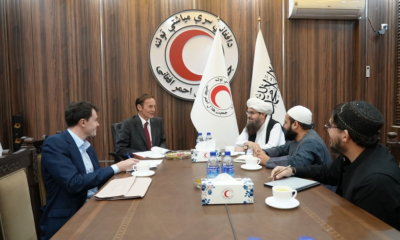



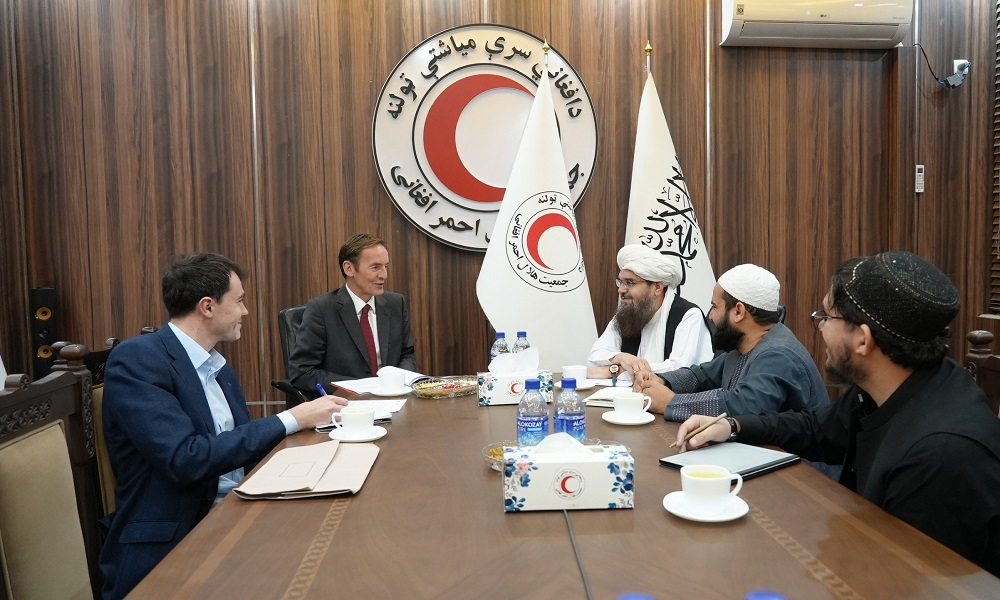
Shahabuddin Delawar, president of the Afghan Red Crescent Society (ARCS), met with Richard Lindsay, the UK’s Special Representative for Afghanistan, to discuss the country’s humanitarian situation and ways to expand assistance for vulnerable communities.
According to ARCS, the meeting focused on support for people affected by natural disasters, Afghan returnees and other vulnerable groups, particularly their urgent humanitarian and healthcare needs.
Delawar thanked the United Kingdom for its humanitarian assistance to people affected by natural disasters and briefed Lindsay on the ARCS’s humanitarian and healthcare activities.
He highlighted the society’s services for children with congenital heart defects at its cardiac hospital, vocational training and skills development programs for vulnerable women and children across seven regional zones, mental healthcare services, and assistance to communities affected by natural disasters.
Delawar said decades of hardship had left many Afghans facing mental health challenges, while vulnerable families continued to struggle with difficult living conditions. He stressed the need for expanded humanitarian assistance and healthcare support.
Referring to the return of Afghan refugees from neighboring countries, Delawar said many families urgently need shelter, food, non-food items and medical services. He called for greater UK cooperation to help meet returnees’ basic needs.
Lindsay praised the ARCS’s humanitarian work and pledged continued cooperation in supporting returnees and other humanitarian initiatives in the coming year. He also said he would seek to facilitate effective cooperation with the society in the healthcare sector.
Both sides underscored the importance of strengthening cooperation to expand humanitarian assistance, support vulnerable communities and improve healthcare services in Afghanistan.
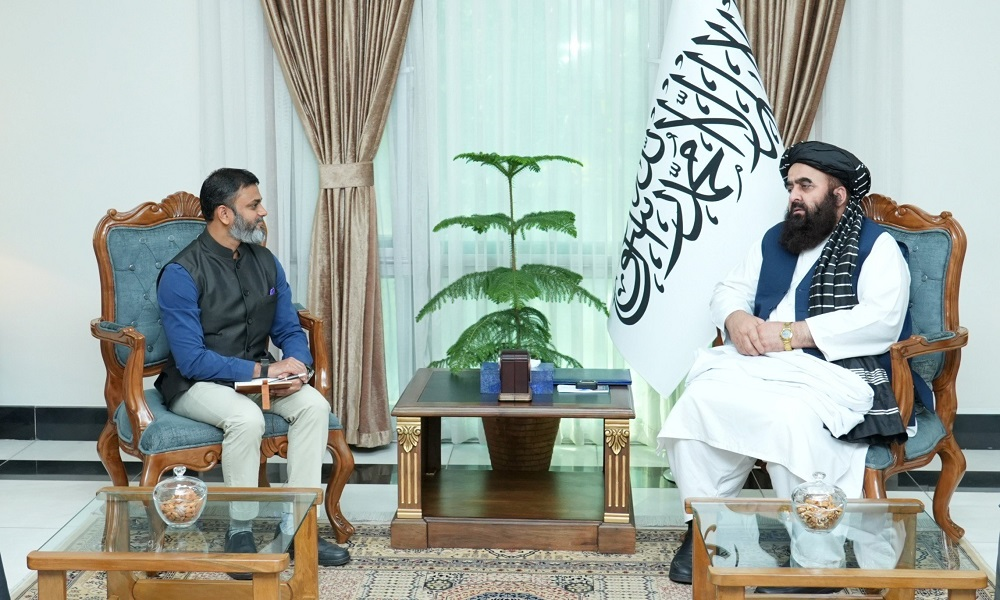
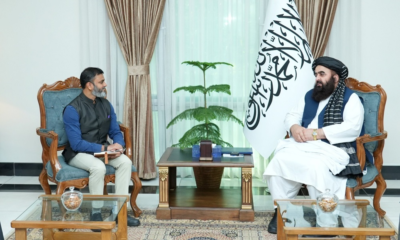
Amir Khan Muttaqi, Minister of Foreign Affairs of the Islamic Emirate of Afghanistan, met with Yatin Patel, India’s chargé d’affaires in Kabul, on Wednesday.
The Ministry of Foreign Affairs said Muttaqi emphasized that, in line with its balanced foreign policy, the Islamic Emirate attaches importance to relations with India.
Referring to the growing volume of trade between the two countries, he stressed the need to strengthen communication and cooperation between Afghanistan’s and India’s public and private sectors, adding that cooperation should be expanded to make better use of existing capacities.
Meanwhile, Yatin Patel said India seeks to expand its relations and engagement with Afghanistan in the economic, political and humanitarian fields.
Muttaqi also wished Patel success in his new assignment.
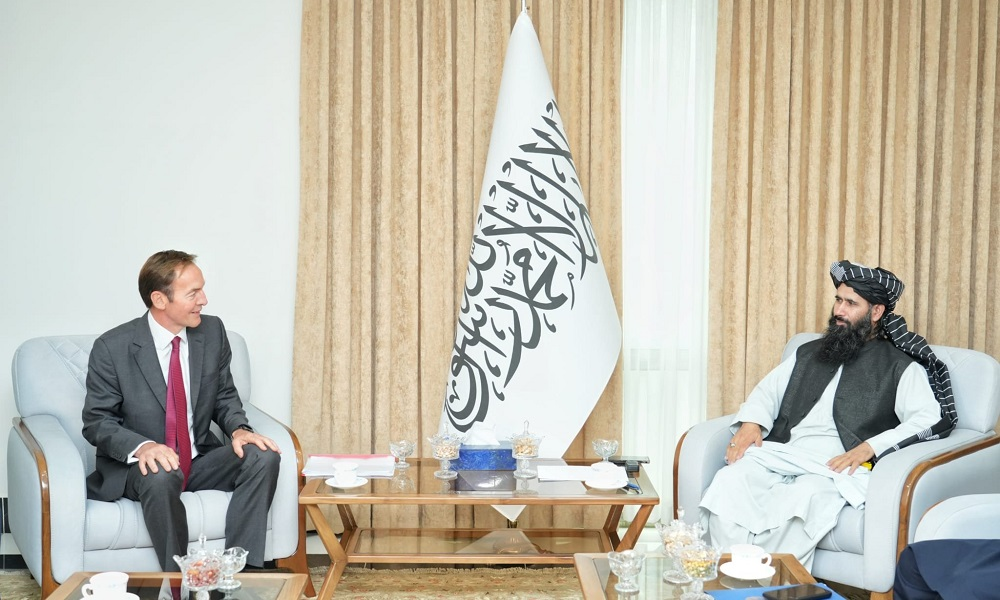
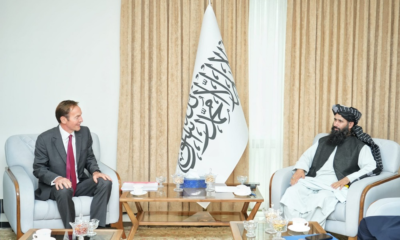
Mohammad Naeem, Deputy Minister for Finance and Administration at the Ministry of Foreign Affairs of the Islamic Emirate of Afghanistan, met on Wednesday with Richard Lindsay, the UK’s Special Representative for Afghanistan.
The Ministry of Foreign Affairs said the two sides discussed Afghanistan’s political, economic and security situation, regional stability, humanitarian assistance and consular services.
Naeem expressed appreciation for the UK’s humanitarian assistance and cooperation with Afghanistan and stressed the importance of continuing cooperation between the two sides.


Tahawol: Kyrgyzstan’s rejection of Afghan refugees discussed

Saar: Central Asia’s trade alternative to Pakistan discussed

ARCS, UK envoy discuss humanitarian needs of vulnerable Afghans

FM Muttaqi says IEA values ties with India under its balanced foreign policy

Afghanistan and UK stress expanding bilateral cooperation

Cricket Bonanza: Afghanistan set for packed international schedule

UN warns of mounting humanitarian and human rights pressures in Afghanistan

Afghanistan says 28 killed, 32 captured in Nuristan operation

CNN, MS NOW and Politico sue Trump, challenging White House ban

Silk Road highway in Wakhan corridor now reaches the China border
Tahawol: Kyrgyzstan’s rejection of Afghan refugees discussed
Saar: Central Asia’s trade alternative to Pakistan discussed

Tahawol: Warnings over worsening insecurity in Pakistan discussed

Saar: Concerns over potential return of US military bases to Afghanistan discussed

Tahawol: Kabul’s criticism of Islamabad’s policy toward Afghanistan
-
 Latest News5 days ago
Pakistan issues new directives for Afghan medical students and doctors
-
 Latest News5 days ago
Iranian lawmaker praises Afghanistan’s support, accuses Pakistan of ‘hypocrisy’
-
 Regional4 days ago
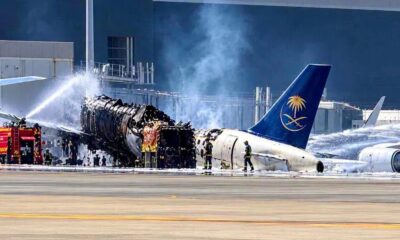
Houthis warn airlines to avoid Saudi airports after deadly Riyadh attack
-

 World3 days ago
One dead in new attack on Saudi airport, a day after Houthi strike kills 13
-
 Business5 days ago
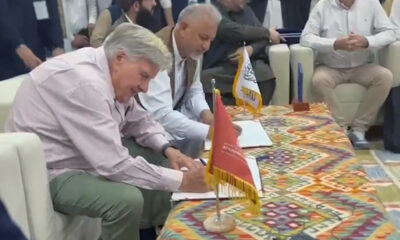
Afghan-Austrian partnership aims to boost carpet exports to European markets
-
 Sport3 days ago
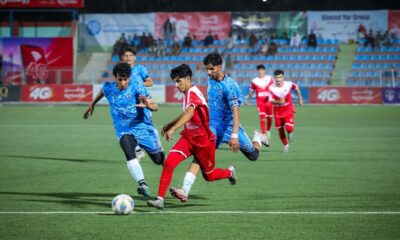
Afghanistan Champions League second half to kick off on October 16
-
 World4 days ago
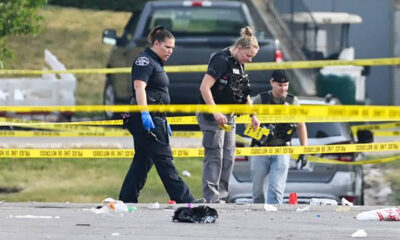
14 killed in two separate mass shootings across the United States
-
 Business4 days ago
Afghanistan signs nearly $400 million in regional trade and investment deals