
Latest News
65% Afghans have no access to electricity – Integrity Watch Afghanistan

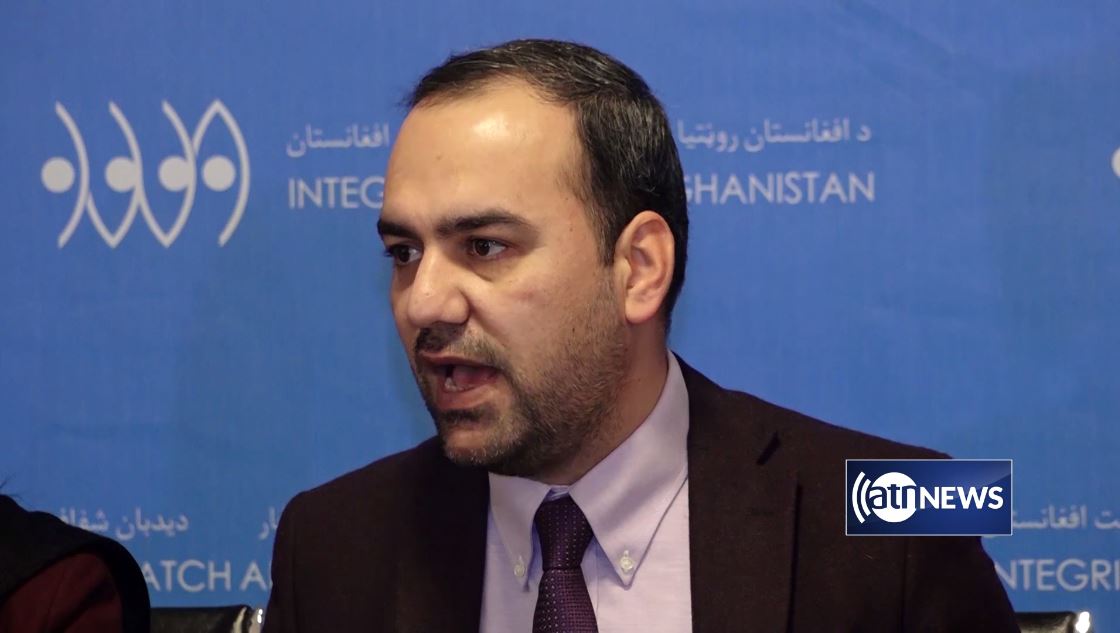
 According to the latest research by the Integrity Watch Afghanistan, lack of proper governance in the sector of energy caused 65% of Afghan residents not to have access to electricity.
The research shows that the slow development of the energy sector is a major reason for the slowdown of the economy and it promotes corruption.
Sayed Ikram Afzali, Chief Executive of the IWA said, “If the problems in the energy sector continue, the economy’s growth will slow down. Eco-life problems will get worse and out of control.”
The research shows that the Ministry of Energy and Water doesn’t legally assign executive tasks to the electricity company, water supply company, and urban canalization.
Mohammad Naser Timori, manager of communications and litigation said, “Afghanistan’s plan for 2020 to give access to governmental power for 56% of Afghans has been applied only up to 35%. The Ministry of Water and Energy failed in their plans.”
The research has been conducted by interviewing people and government officials.
Officials in IWA said that there were major issues in the sub-stations and the water dams adding that the construction of the projects hasn’t been done properly.
The Ministry of Energy and Water, however, rejected the allegations stated through the findings of the Integrity Watch Afghanistan.
Shekib, spokesperson of the MoEW said, “The Ministry of Water and Energy is fully committed to its promises in terms of managing Afghanistan’s water and energy. The work is properly in progress.”
Afghanistan now has the capacity to generate 519 megawatts of power, comprised of 51% thermal and 49% water energy.
Afghanistan yearly imports around 2,000 megawatts of power from the neighboring countries – in 2018 alone, $255 million were spent to buy electricity.










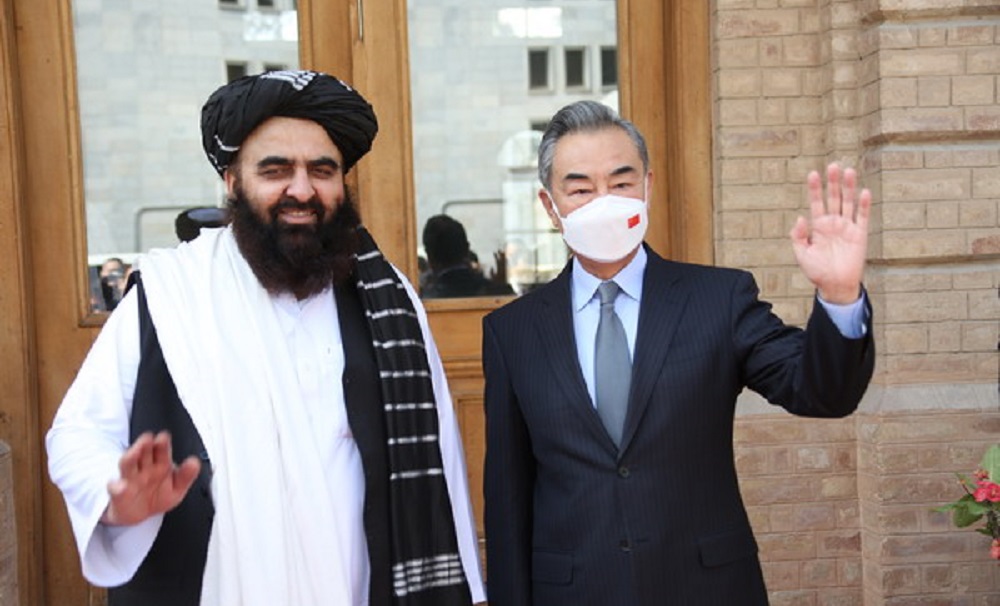
Amir Khan Muttaqi, the Foreign Minister of the Islamic Emirate, held a telephone conversation with Wang Yi, China’s Foreign Minister, to discuss the expansion of bilateral relations between Afghanistan and China, regional security, and the impacts of ongoing developments in the region.
According to a statement from the Afghan Foreign Ministry, Muttaqi emphasized the Islamic Emirate’s economically oriented foreign policy and said that Afghanistan seeks to build trust, mutual respect, and economic cooperation with all neighboring and regional countries.
He also addressed recent regional security developments, underlining that the Islamic Emirate views dialogue and diplomacy as the only path to resolving any crisis.
During the call, Muttaqi shared the Islamic Emirate’s position on recent Pakistani incursions into Afghan territory, stressing that Afghanistan has the legitimate right to defend its people and territorial integrity, while simultaneously supporting political solutions rather than the escalation of conflict.
Wang Yi highlighted the importance of strengthening positive relations between Afghanistan and China and stated that China considers political understanding and problem-solving mechanisms crucial for regional stability and security. He also welcomed Afghanistan’s dialogue-based approach and stressed that targeting civilians and civilian infrastructure is unacceptable.
Regarding Afghanistan-Pakistan tensions, Wang Yi noted that military measures are not a solution and only heighten the crisis. He added that China is ready to play a constructive role in fostering understanding and trust.
Latest News
UNAMA: Four civilians killed, 14 injured in Pakistani airstrike in Kabul
The UN mission expressed concern over the continued violence and called for an immediate halt to hostilities to prevent further civilian casualties.
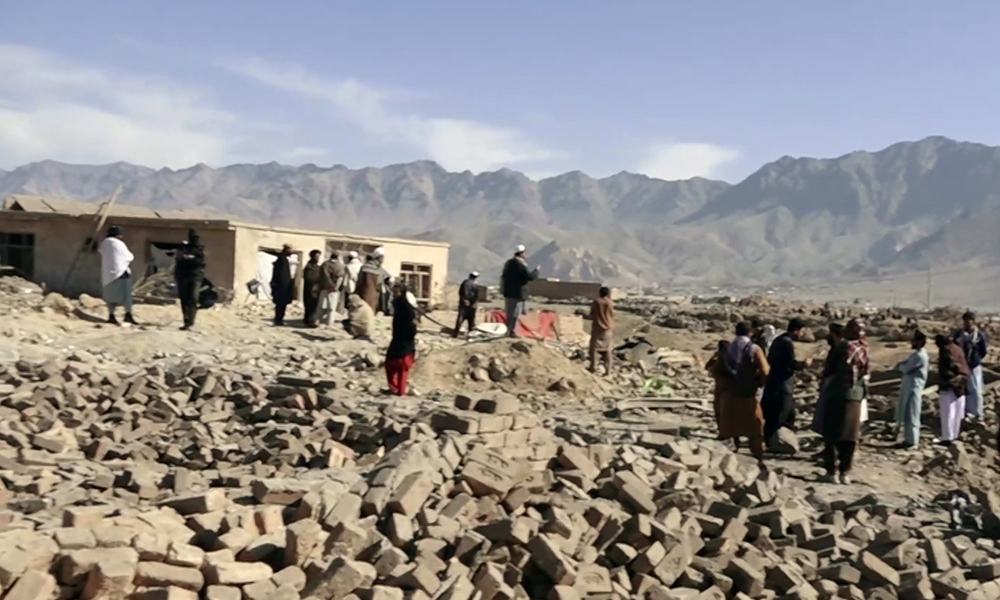
The United Nations Assistance Mission in Afghanistan (UNAMA) says civilian casualties are increasing amid the latest escalation of violence in Afghanistan.
According to UNAMA, at least four civilians were killed and 14 others injured — including women and children — in Pakistani airstrikes in the Pul-e-Charkhi area of Kabul on Thursday night.
The UN mission expressed concern over the continued violence and called for an immediate halt to hostilities to prevent further civilian casualties.
UNAMA noted that civilians, particularly women and children, are paying the heaviest price for the recent escalation. The agency reported that since February 26, at least 75 civilians have been killed and 193 others injured across Afghanistan as a result of ongoing armed clashes.
Earlier, Georgette Gagnon, Acting Head of UNAMA and Deputy Special Representative of the UN Secretary-General, warned that the United Nations remains deeply concerned about the rising tensions between Afghanistan and Pakistan.
Speaking at a press conference, Gagnon said that although clashes have so far been largely concentrated in border areas, continued exchanges of fire carry serious risks. She added that the incidents have now entered their 14th consecutive day, affecting six provinces and eight districts across Afghanistan.
Gagnon emphasized that the United Nations is closely monitoring the impact of the conflict on civilians, including casualties, displacement, and growing restrictions on humanitarian access.
Latest News
Afghan airstrikes target Pakistani military sites in retaliation for air attacks
Afghanistan’s Ministry of Defense announced that Afghan Air Forces conducted precision airstrikes early this morning on military sites in Kohat, Khyber Pakhtunkhwa.
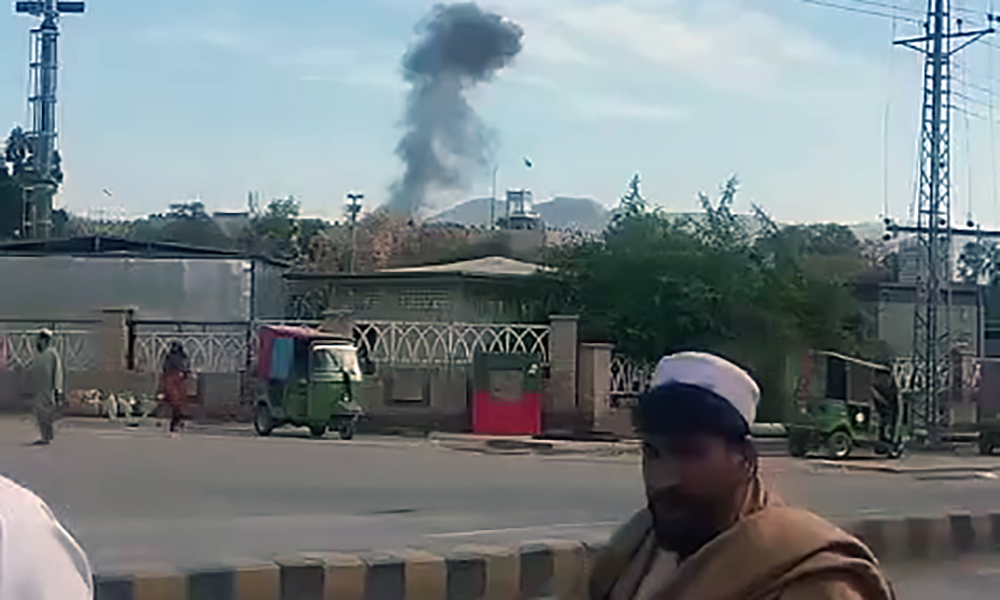
In a retaliatory move following last night’s Pakistani military airstrikes, Afghanistan’s Ministry of Defense announced that Afghan Air Forces conducted precision airstrikes early this morning on military sites in Kohat, Khyber Pakhtunkhwa.
According to the ministry, the targeted strikes destroyed a key military fort in Kohat and hit strategic locations near the Durand Line, including a command center and the fort commander’s office, located around two kilometers away.
The Ministry of Defense claimed that the strikes neutralized several military facilities, ammunition depots, and troop quarters, inflicting significant damage to Pakistani forces. Afghan authorities also reported heavy personnel and material losses for the enemy as a result of the operation.
These airstrikes come amidst a rising civilian death toll, with Pakistan’s airstrike in Kabul’s Pul-e-Charkhi area on the night of March 12 reportedly killing four civilians, including women, and injuring over 30 others. The escalating violence has sparked growing concerns over the safety of innocent civilians caught in the crossfire.


IEA, Chinese FMs hold phone talks, discuss bilateral relations

Seven police personnel killed in IED blast in northwest Pakistan

US eases sanctions on Russian oil to ease energy prices inflated by Iran war

UNAMA: Four civilians killed, 14 injured in Pakistani airstrike in Kabul

Afghan airstrikes target Pakistani military sites in retaliation for air attacks

Pakistani military jet downed in Afghanistan’s Jalalabad, pilot captured alive

Afghan Air Force conducts airstrikes in Islamabad, other cities

IEA releases three Pakistani soldiers to mark Ramadan

Afghanistan’s Chief of Armed Forces underscores readiness and equipment for national defense

Afghanistan welcomes investment and technology partnerships with India

Tahawol: Discussion on intensification of attacks in Middle East

Saar: Ongoing US-Israeli strikes on Iran discussed

Tahawol: Regional impacts of Middle East crisis reviewed

Saar: Diplomatic efforts to ease Kabul-Islamabad tensions discussed

Tahawol: Demands to end Afghanistan–Pakistan conflict reviewed
-

 Latest News5 days ago
American billionaire Tom Pritzker describes Afghanistan trip in email to Epstein
-

 Sport3 days ago
Afghanistan’s white-ball series against Sri Lanka postponed
-

 Regional5 days ago
Iran names Khamenei’s hardline son Mojtaba as new supreme leader, oil surges
-
 Latest News4 days ago
Russia, China and UK urge Afghanistan and Pakistan to resolve issues through dialogue
-
 Latest News4 days ago
UN warns of possible surge in Afghan returnees from Iran
-
 Latest News5 days ago
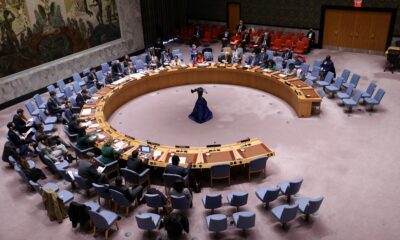
UN Security Council to hold meeting on Afghanistan
-

 Latest News5 days ago
Hegseth reflects on Afghanistan lessons, says Iran war aims to bring enemy ‘to their knees’
-
 Latest News4 days ago
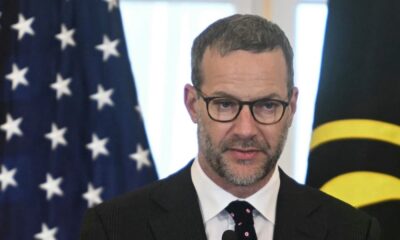
Trump envoy warns Afghanistan could face fate similar to Iran or Venezuela over detained Americans