
Health
24 mothers, 167 infants die in Afghanistan each day, WHO reports

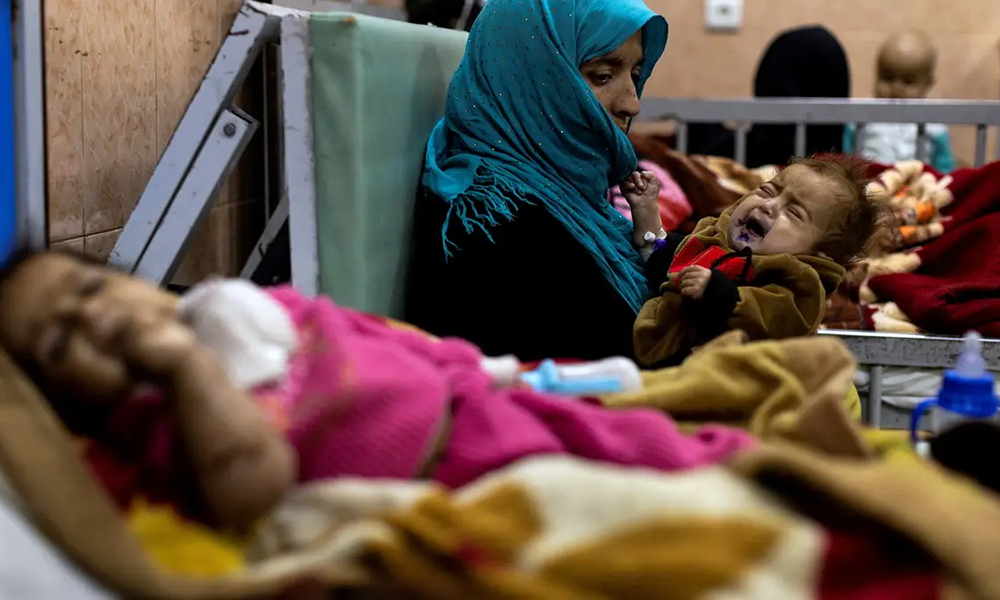
Afghanistan faces a staggering daily toll of 24 maternal deaths and 167 infant deaths due to preventable causes, according to a new report released Sunday by the World Health Organization.
The report underscores the continuing humanitarian crisis in Afghanistan, highlighting the multifaceted challenges that citizens endure daily.
“Afghan citizens face an unstable health system and the daily specter of food scarcity and malnutrition,” the WHO states. This crisis is further exacerbated by the burden of both communicable and noncommunicable diseases, frequent disease outbreaks, severe drought, and natural disasters such as floods and earthquakes, the report stated.
The situation for Afghan women has particularly deteriorated, with limited access to education and livelihoods, WHO said.
The WHO report emphasizes that the need for humanitarian assistance has surged dramatically, adding that children and women bear the brunt of the health emergency.
“Preventable maternal mortality claims the lives of 24 mothers every day, and a staggering 167 infants die each day of preventable causes,” the WHO report highlights.
In addition, Afghanistan’s high level of food insecurity affects 15.8 million people, WHO stated.
Polio also remains a concern, although there have been significant gains in its eradication since 2021, the report noted.
The ongoing geopolitical situation has also affected the health sector, leading to reduced international support. “The health sector is struggling to meet the surging demand for services,” the WHO report states. Severe underfunding led to the closure of 428 static and mobile health facilities between January and December 2023, impacting over 3 million individuals, including more than 600,000 children under five and over 240,000 pregnant and lactating women.
However, the Ministry of Public Health’s spokesman Sharafat Zaman says the report cites incorrect data. He said 300 mother have lost their lives while giving birth in the past six months.

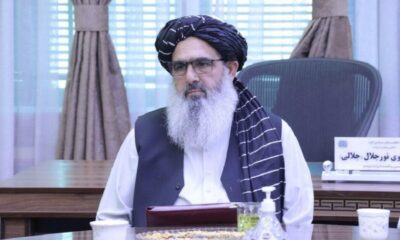

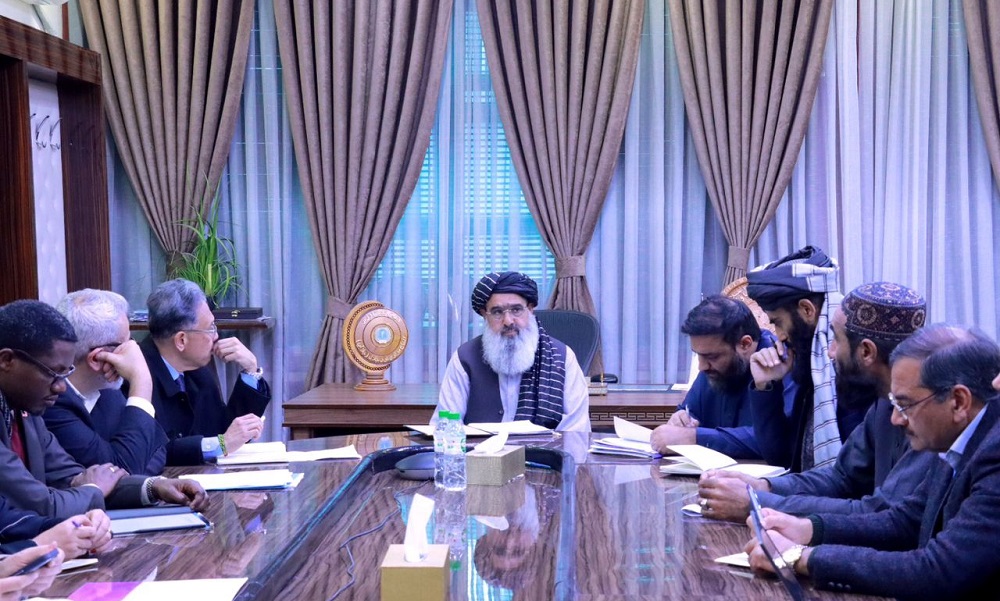
Noor Jalal Jalali, Minister of Public Health of Afghanistan, held a meeting in Kabul with representatives of the World Health Organization, UNICEF, the World Bank, the Asian Development Bank, the European Union, the UK Foreign, Commonwealth and Development Office (FCDO), and other international organizations.
According to the ministry’s statement, representatives of these international organizations discussed the delivery of health and development services, improving the management of aid and resources in the health sector, integrating health facilities and aligning them with the new policy, providing health services in accordance with the Ministry of Public Health’s policy, strengthening the immunization and vaccination sector, delivering services based on priorities, and ensuring sustained coordination.
During the meeting, Jalali stressed the need for transparency and attention to the ministry’s priorities in order to enhance the effectiveness and impact of health services. He added that the delivery of health services must be carried out in line with the ministry’s policy and through better management of existing international assistance.
Referring to vaccination campaigns, he stated that the recent measles and polio vaccination campaign had been implemented very successfully, and emphasized that necessary preparations should be made for upcoming campaigns.
He also provided information regarding the review of the BPHS and EPHS health packages and the establishment of a standardized system through technical committees.
In this meeting, Edwin Ceniza, the WHO Representative for Afghanistan, reaffirmed the organization’s continued cooperation with the Ministry of Public Health and expressed appreciation to the ministry’s leadership for their tireless efforts to improve the health system.
Representatives of these organizations pledged to maintain effective and sustained coordination and to provide their services within the country in accordance with the policies and principles of the Ministry of Public Health.
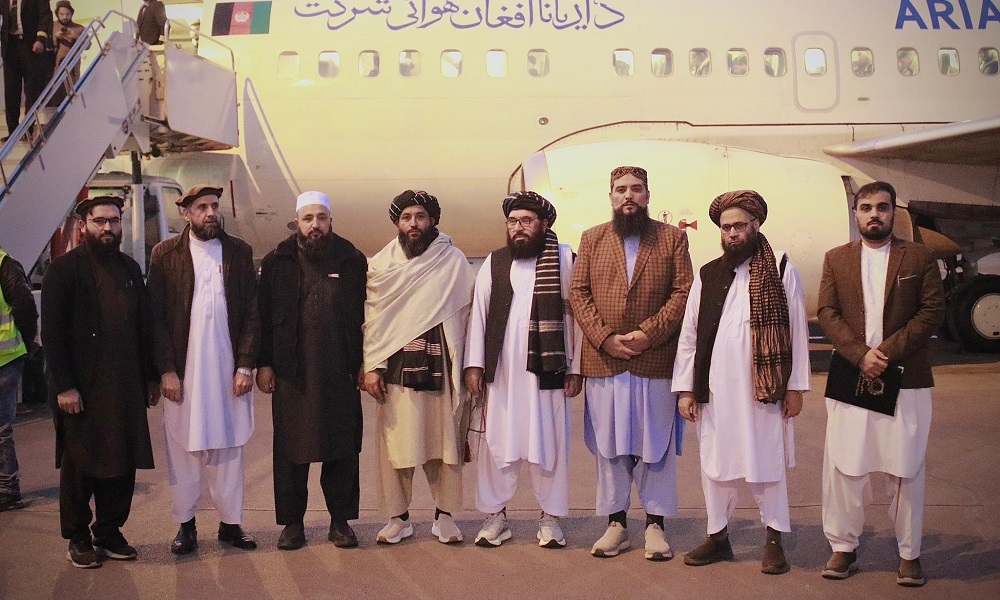
Abdul Wali Haqqani, Deputy Minister for Health Services at the Ministry of Public Health of the Islamic Emirate of Afghanistan (IEA), has departed for Turkey on an official visit accompanied by a high-ranking delegation.
According to a statement released by the Health Ministry on Wednesday, the trip aims to acquire new health-sector expertise, assess Turkish medical and scientific institutions, meet with Turkish health and government officials, and strengthen bilateral cooperation.
During the visit, the delegation is scheduled to meet representatives from both public and private health sectors to support improvements in Afghanistan’s healthcare system and enhance coordination between the two countries, the statement added.
Health
Polio vaccination drive launches across 17 Afghan provinces
Officials say routine vaccination remains the most effective tool for eliminating polio and have urged families to fully cooperate with health teams during the campaign.
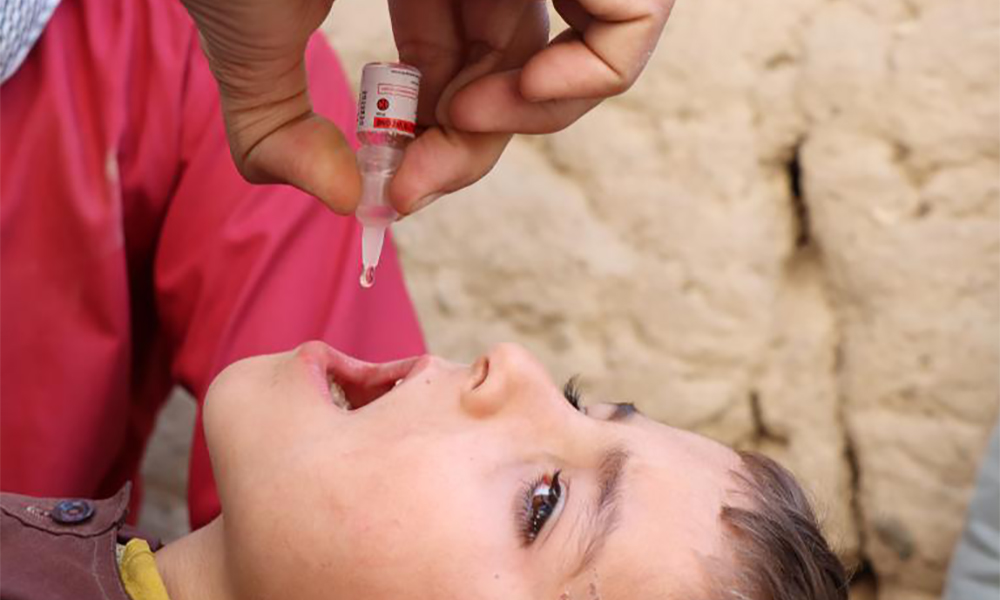
The Ministry of Public Health has announced the launch of a major anti-polio vaccination campaign, set to begin on Monday across 17 provinces of Afghanistan.
According to Sharafat Zaman, spokesperson for the ministry, the nationwide initiative will target 7.4 million children under the age of five, delivering vaccines door-to-door to prevent the spread of the poliovirus and safeguard children’s health.
Officials say routine vaccination remains the most effective tool for eliminating polio and have urged families to fully cooperate with health teams during the campaign.
This effort forms part of the government’s ongoing strategy to protect Afghanistan’s next generation from preventable diseases and strengthen public health across the country.
This comes after the World Health Organization (WHO) recently again classified the global spread of poliovirus as a Public Health Emergency of International Concern (PHEIC), warning that the disease remains endemic in only two countries — Afghanistan and Pakistan.
The decision followed the 43rd meeting of the Polio Emergency Committee under the International Health Regulations (IHR), which convened on 1 October 2025.
According to the Committee, Afghanistan reported four new wild poliovirus type 1 (WPV1) cases so far this year, compared to 24 in Pakistan.
The Afghan cases were detected in the country’s southern and eastern regions, where transmission remains intense despite ongoing vaccination efforts.


Continued aid to Afghanistan vital for regional security: Kazakh president

Islamic Emirate declines to attend Tehran meeting on Afghanistan

Sirajuddin Haqqani: A government that intimidates its people is not a true government

Afghanistan’s health minister likely to visit India next week

Top Pakistani, British officials discuss Afghan relocation

Pakistan will lose big market in both Afghanistan, Central Asia: Sarhadi

Afghanistan records $580m in fruit exports in six months

Tashkent: Central Asian leaders say regional stability hinges on Afghanistan

Afghan Abdalyan beat Sri Lanka A by 3 wickets in Rising Stars Asia Cup opener

Afghanistan U19 cricket team defeats India A U19

Saar: Calls to avoid using Afghan soil against nations

Tahawol: UNSC meeting outcome regarding Afghanistan discussed

Saar: Ongoing Kabul–Islamabad tensions discussed

Tahawol: Pakistan’s warning on Afghanistan reiterated

Saar: UN’s meeting on Afghanistan reviewed
-

 Sport4 days ago
ILT20: Desert Vipers edge Gulf Giants in historic super over thriller
-
 Latest News2 days ago
Muttaqi: Afghanistan’s progress requires both religious and modern education
-

 Regional4 days ago
Six Pakistani soldiers killed in TTP attack in Kurram District
-

 Business4 days ago
Trade bodies warn almost 11,000 Afghan transit containers stuck at Karachi port
-
 World4 days ago
Powerful 7.6 earthquake hits northern Japan, tsunami warnings issued
-
 Latest News3 days ago
Trump calls Afghanistan a ‘hellhole’ country as US expands immigration restrictions
-
 Sport5 days ago
Sorkh Poshan Khafi defeats Sarsabz Yashlar 4-0 in Afghanistan Champions League
-

 Sport3 days ago
Commanding wins for Arman FC and Sarsabz Yashlar in Afghanistan Champions League