
Latest News
1400: A tumultuous year for Afghanistan politics

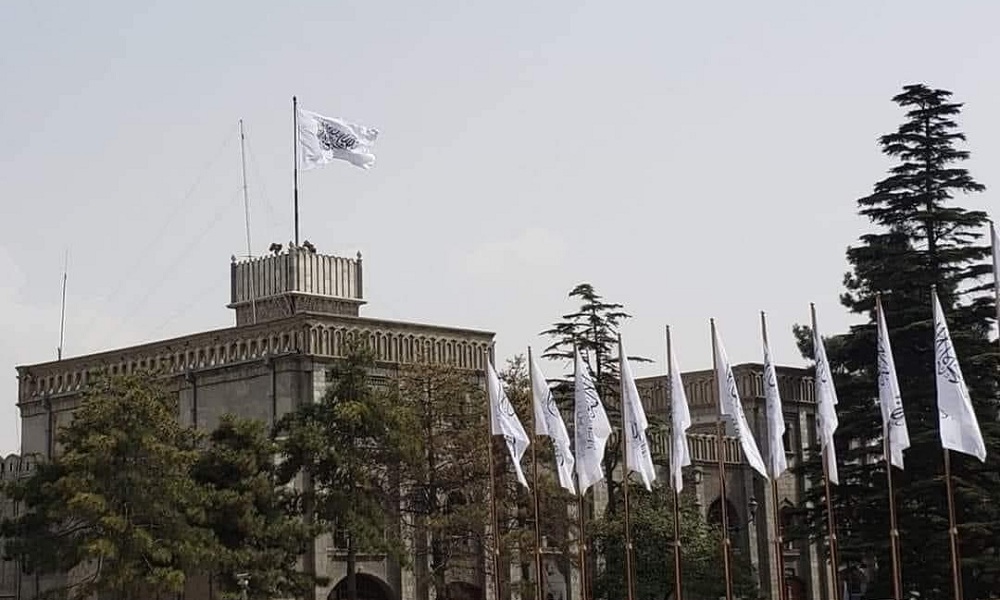
From the collapse of intra-Afghan peace talks to the Islamic Emirate’s return to power, 1400 was filled with major political events.
On 11 Hamal, (March 31) a crucial summit on peace was scheduled to start in Turkey, a meeting that was at the time dubbed the second Bonn conference.
However, the summit failed to take place due to disputes within the ranks of the former government and a disagreement over the agenda.
Peace negotiations between the IEA and an Afghan delegation in Doha also failed to provide results and collapsed in the month of Saratan (July).
A visit to Doha by former Afghan president Hamid Karzai and his delegation also ran into problems and was called off just one day before the collapse of the former government.
At the time, sources from the presidential palace said the delegation had beern barred from travelling by then president Ashraf Ghani.
On 24 Asad (August 15), the Western-backed government collapsed without warning after 20 years. Ghani and many other high-ranking government officials fled the country just hours before the IEA swept into Kabul and took over.
Ghani’s desertion was confirmed and announced by former CEO Abdullah Abdullah and days later it emerged the former president had flown to the UAE.
As IEA forces entered the presidential palace, its leaders celebrated what they called a victory against the United States and the West.
However, the world was shaken by the Republic’s sudden collapse.
What followed was a chaotic evacuation process of foreign troops, diplomats and foreign workers – along with tens of thousands of Afghans.
Since then, world alliances and international organizations such as the United Nations, the European Union and NATO have held emergency meetings on Afghanistan. The Organization of Islamic Cooperation (OIC) also held a meeting on Afghanistan in Pakistan.
The UN has since scrambled to help ward off a major humanitarian crisis in the country, while the United States has defended its position after having come under fire for the way it handled the situation.
For the IEA’s part, it has appealed to the international community to work with them and the new order immediately brought about a semblance of security.






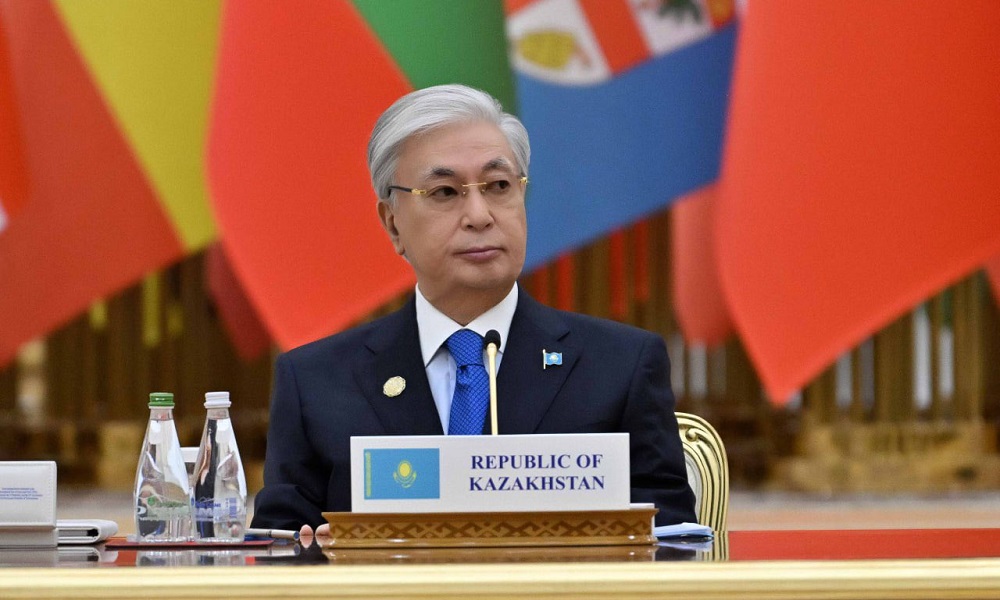
Kazakhstan’s President Kassym-Jomart Tokayev has emphasized the continuation of humanitarian assistance to Afghanistan, stating that the ongoing provision of such aid plays an important role in ensuring regional security.
Speaking at the international conference “Peace and Trust” in Ashgabat, the capital of Turkmenistan, Tokayev described addressing complex humanitarian challenges and the reconstruction of Afghanistan as a necessity.
“To ensure regional security, we consider it essential to continue providing assistance to Afghanistan, including by strengthening international efforts to address complex humanitarian issues and the reconstruction of this country. Kazakhstan remains committed to supporting the people of Afghanistan through humanitarian aid, educational projects, trade development, and food security initiatives,” he said.
Meanwhile, experts believe that sustainable improvement of the humanitarian situation in Afghanistan requires broad cooperation from the international community and support for the country’s economic development.
“Investment can be defined as one of the fundamental drivers of the economic cycle, and whenever Afghan traders do not take their money out of the country and instead invest domestically, it naturally leads to greater growth and dynamism in Afghanistan’s economy,” said Abdul Zahoor Modabber, an economic analyst.
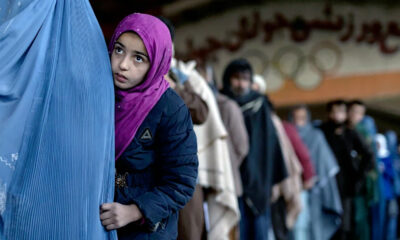
As the humanitarian crisis in Afghanistan continues, reports by international relief organizations indicate that millions of citizens of the country are in urgent need of food, health, and livelihood assistance.
The reduction in funding for aid organizations, the impacts of climate change, and the return of migrants have increased concerns about a further deterioration of the humanitarian situation in the country.
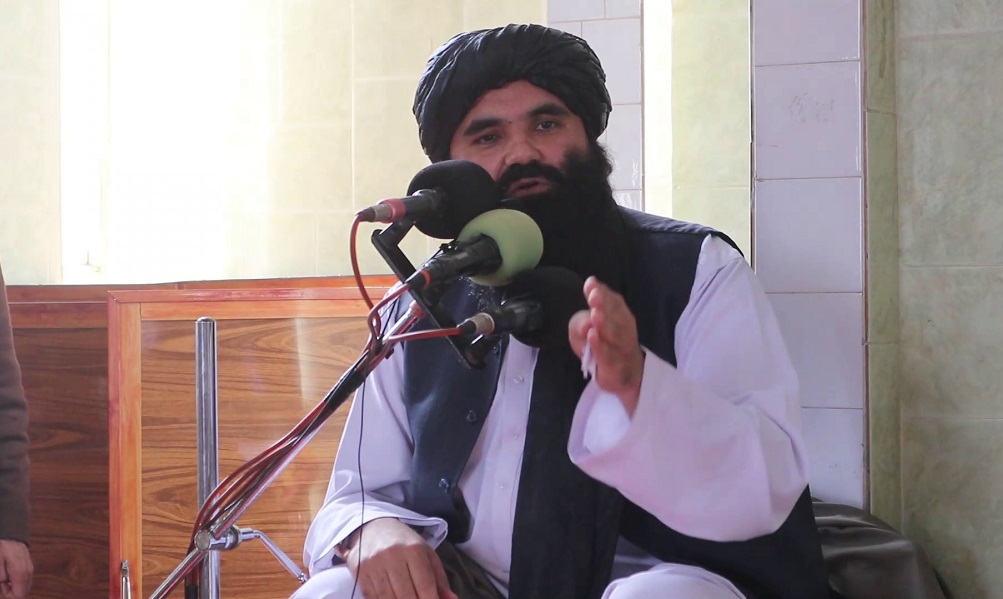
Khalifa Sirajuddin Haqqani, Minister of Interior of the Islamic Emirate of Afghanistan, said during a visit to Khost province on Friday that any government which rules through fear cannot be considered a true government.
“A government is one that is loved by its people, one that serves them with respect and compassion, and from whose behavior people learn ethics and sincerity,” he said.
Haqqani also stressed that Afghans who opposed the Islamic Emirate in the past should be tolerated and treated in a way that helps eliminate hostility and animosity, paving the way for national cohesion.


ACL: Jawanan Perozi 1-0 Arman FC; Abu Muslim Farah 2-0 Sarsabz Yashlar

Continued aid to Afghanistan vital for regional security: Kazakh president

Islamic Emirate declines to attend Tehran meeting on Afghanistan

Sirajuddin Haqqani: A government that intimidates its people is not a true government

Afghanistan’s health minister likely to visit India next week

Pakistan will lose big market in both Afghanistan, Central Asia: Sarhadi

Afghanistan records $580m in fruit exports in six months

Tashkent: Central Asian leaders say regional stability hinges on Afghanistan

Afghan Abdalyan beat Sri Lanka A by 3 wickets in Rising Stars Asia Cup opener

Afghanistan U19 cricket team defeats India A U19

Saar: Calls to avoid using Afghan soil against nations

Tahawol: UNSC meeting outcome regarding Afghanistan discussed

Saar: Ongoing Kabul–Islamabad tensions discussed

Tahawol: Pakistan’s warning on Afghanistan reiterated

Saar: UN’s meeting on Afghanistan reviewed
-
 Latest News2 days ago
Muttaqi: Afghanistan’s progress requires both religious and modern education
-

 Sport4 days ago
ILT20: Desert Vipers edge Gulf Giants in historic super over thriller
-

 Regional4 days ago
Six Pakistani soldiers killed in TTP attack in Kurram District
-

 Business4 days ago
Trade bodies warn almost 11,000 Afghan transit containers stuck at Karachi port
-
 World4 days ago
Powerful 7.6 earthquake hits northern Japan, tsunami warnings issued
-

 Latest News3 days ago
Trump calls Afghanistan a ‘hellhole’ country as US expands immigration restrictions
-

 Sport3 days ago
Commanding wins for Arman FC and Sarsabz Yashlar in Afghanistan Champions League
-
 Latest News5 days ago
Pakistan’s top general calls on IEA to pick between ties with Islamabad or TTP