
Latest News
Younis Qanuni appointed as new chief of HPC

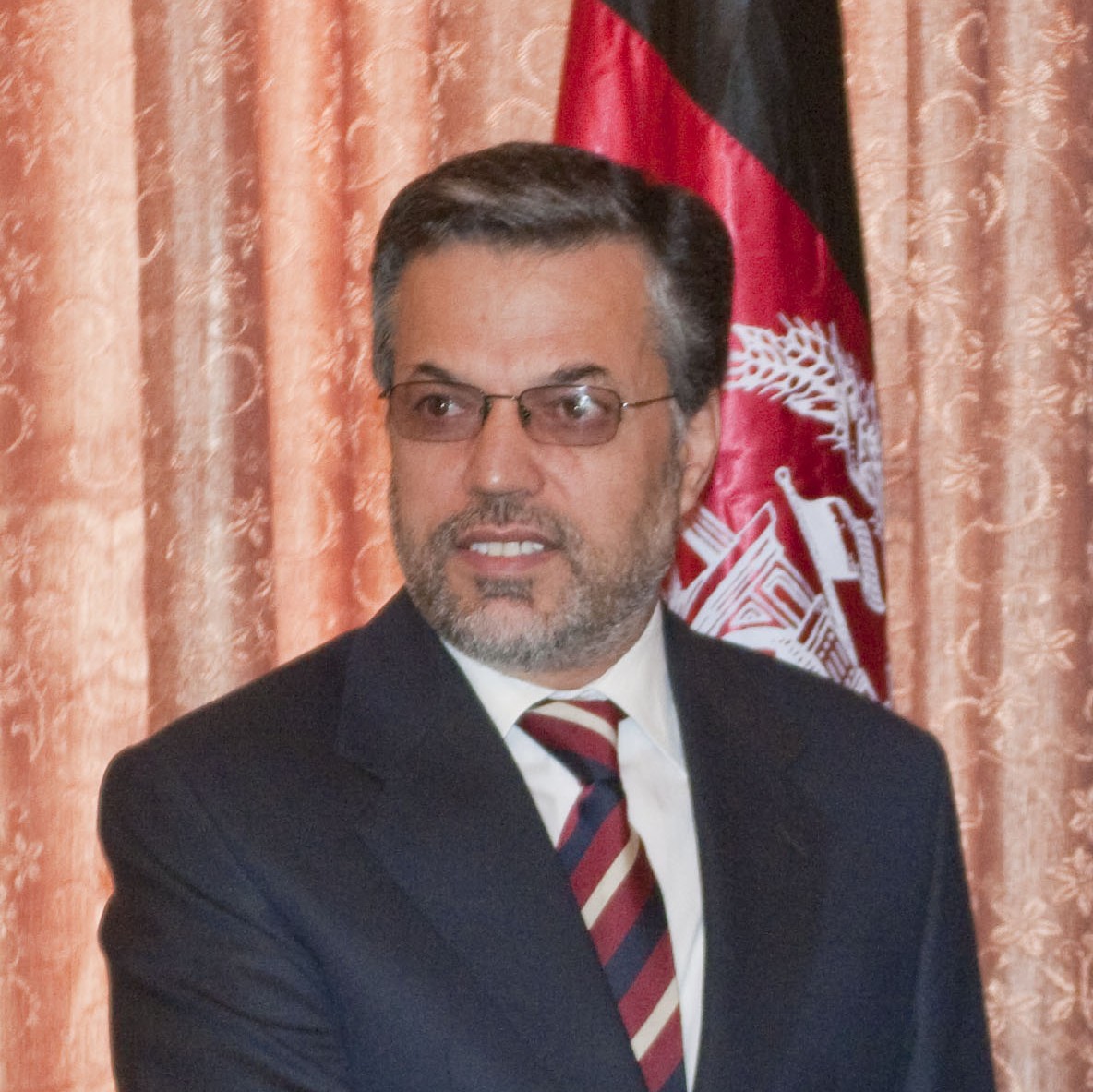

Former chairman of Wolesi Jirga and former vice president, Muhammad Younis Qanuni appointed as the new Chairman of Afghanistan High Peace Council.
A source close to the National Unity Government (NUG) says that the measure was taken in National Security Council chaired by President Ashraf Ghani.
The source refused to present further details.
Mohammad Yunis Qanuni was born in 1957 in the Panjsher Valley. He is from the Panjshir Valley’s town of Rokha.
During the 1992-96 government of President Burhanuddin Rabbani, Qanooni was deputy defense minister, then interior minister.
Following Operation Enduring Freedom in 2001, Qanuni served as chief negotiator for the Northern Alliance delegation to the Bonn conference on Afghanistan after the Taliban fell from power, Qanuni served as the Interior Minister in Afghanistan’s Interim Administration headed by Chairman Hamid Karzai.
When Afghanistan’s Transitional Government was formed in 2002, Hamid Karzai chose Qanuni to be his Education Minister, what he didn’t accept.
Qanooni was reelected as a Wolesi Jirga Member 2010 and then former vice president After Marshal Fahim’s death.
The Afghanistan High Peace Council (HPC) is a body of the Afghanistan Peace and Reintegration Program, appointed by former President Hamid Karzai to negotiate with elements of the Taliban. The HPC was established on 5 September 2010.

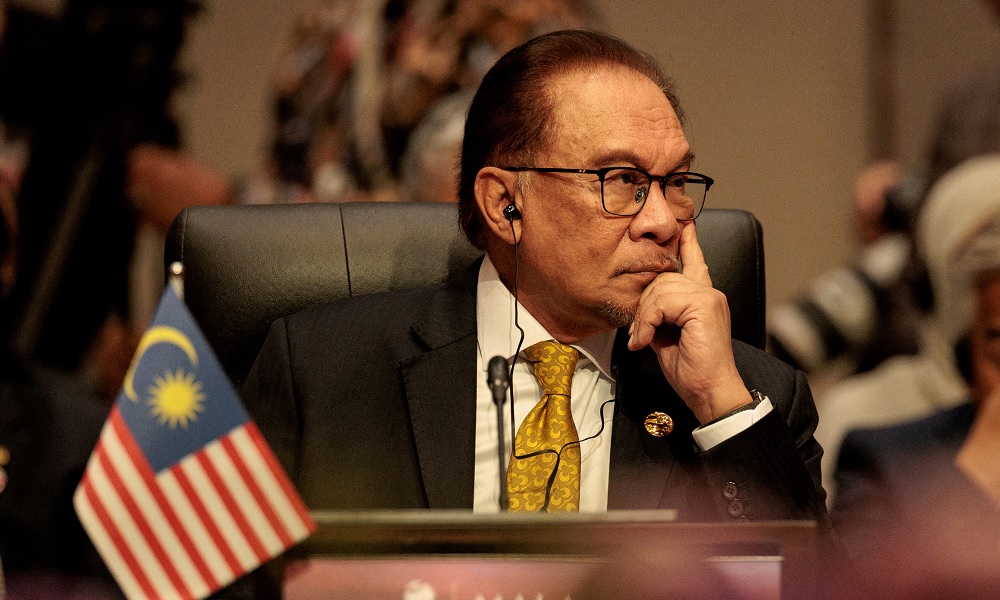
Malaysian Prime Minister Anwar Ibrahim has welcomed the temporary ceasefire between Pakistan and Afghanistan announced in connection with the Eid-ul-Fitr celebrations, calling for continued efforts to reduce tensions and achieve lasting peace.
Anwar shared the message during a telephone conversation with his Pakistani counterpart, Shehbaz Sharif. In a Facebook post, Anwar emphasized the importance of dialogue and de-escalation, while also expressing concern over rising tensions in the Middle East, particularly involving Iran, and urging all parties to prioritize peaceful solutions.
Pakistan said it had temporarily suspended military operations in Afghanistan at the request of Saudi Arabia, Qatar, and Turkey. Afghan authorities likewise announced a halt to operations during Eid, citing goodwill and similar requests from regional partners.
The ceasefire follows weeks of heightened tensions between Afghanistan and Pakistan, including Durand Line clashes and airstrikes.
Separately, Turkey President Recep Tayyip Erdogan in a phone call discussed regional developments with Pakistani Prime Minister Shehbaz Sharif, reaffirming Turkey’s commitment to peace and stability and stressing continued cooperation for long-term security.
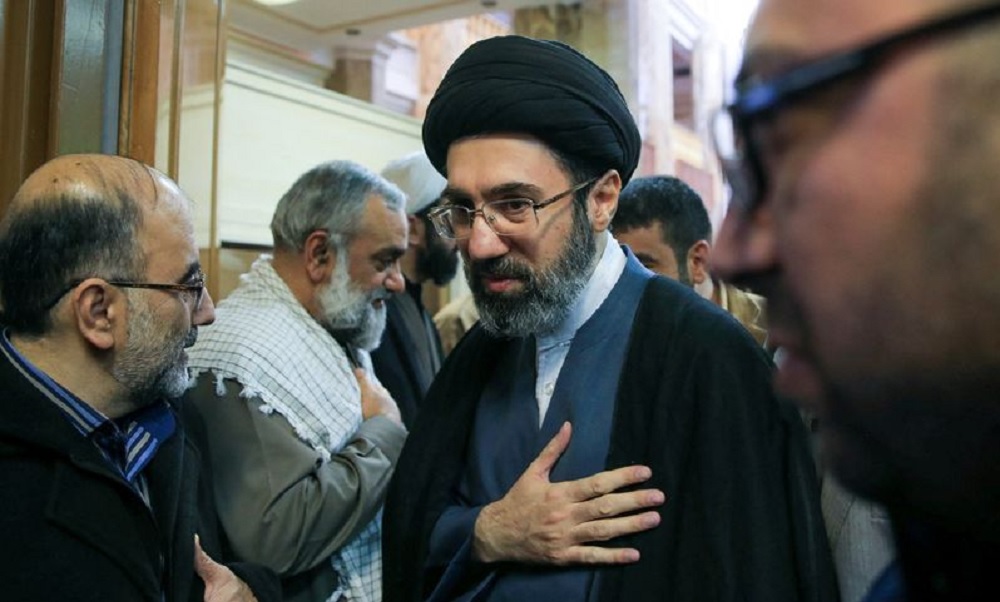
In his Persian New Year message, Iran’s new supreme leader, Mojtaba Khamenei, on Friday highlighted the importance of Afghanistan and Pakistan, saying the two neighbors were “very close” to Iran.
Khamenei also made a direct appeal for improved relations between Afghanistan and Pakistan, describing them as “two brotherly countries.” He urged both nations to work toward better cooperation and understanding, stressing that such efforts are important “for the sake of divine pleasure and to avoid division among Muslims.”
Underscoring his commitment, he added that he is personally “ready to take the necessary steps” to help facilitate stronger ties between the two countries.
In recent months, tensions between Afghanistan and Pakistan have risen over security issues, with cross-Durand Line clashes, airstrikes, and accusations about militant activity.
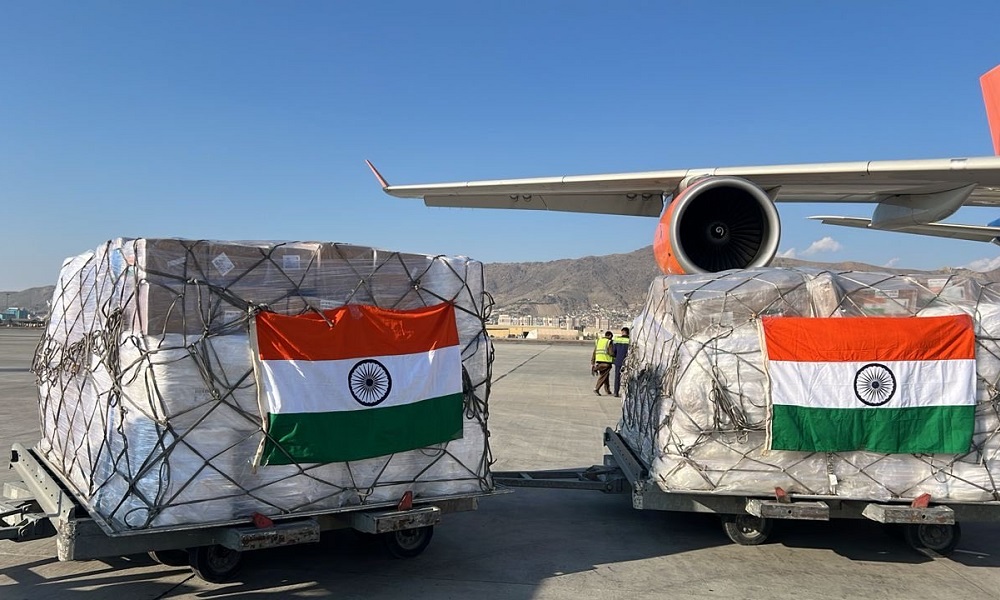
Randhir Jaiswal, spokesperson for India’s Ministry of External Affairs, announced on Friday that a 2.5-ton consignment, including emergency medicines, medical disposables, kits, and equipment has been delivered to Kabul.
According to him, the aid shipment is intended to support the swift recovery of those injured in the recent airstrike by Pakistan’s military regime.
He emphasized that India stands with the people of Afghanistan and will continue to provide all possible humanitarian assistance.


Ireland to host Afghanistan for ODI series in August

Malaysian PM welcomes temporary Afghanistan–Pakistan truce, urges lasting peace

Mojtaba Khamenei calls for improved Afghanistan–Pakistan relations, offers help

Tawsia: Assessment of Afghanistan’s economic activities in 1404

India sends 2.5-ton medical shipment to Afghanistan

Pakistani military jet downed in Afghanistan’s Jalalabad, pilot captured alive

Afghan Air Force conducts airstrikes in Islamabad, other cities

Afghanistan welcomes investment and technology partnerships with India

Prominent Muslim scholar issues fatwa calling for Afghanistan-Pakistan ceasefire

Afghan air force strikes key Pakistani military installations in retaliatory operation
Tawsia: Assessment of Afghanistan’s economic activities in 1404

Tahawol: Temporary ceasefire draws broad support

Saar: Emphasis on resolving conflicts through diplomacy

Tahawol: Global reactions to Pakistan’s recent attacks discussed

Saar: Consequences of Pakistani airstrikes on Afghans discussed
-
 Latest News5 days ago
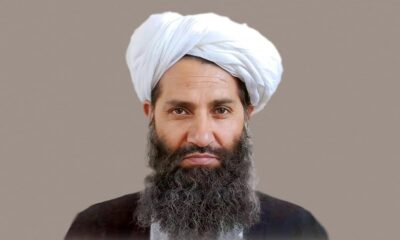
IEA Supreme Leader issues Eid-ul-Fitr message urging unity and support for Islamic system
-

 Business5 days ago
Turkmenistan, Afghanistan discuss steps to speed up land acquisition for TAPI pipeline
-
 Latest News3 days ago
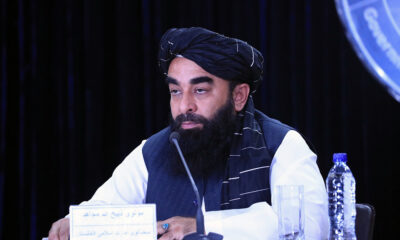
IEA announces temporary pause in defensive operations against Pakistan for Eid
-
 Latest News3 days ago
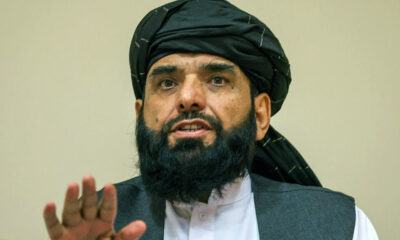
Pakistan opposes normal Afghanistan–India relations: Shaheen
-
 Sport4 days ago
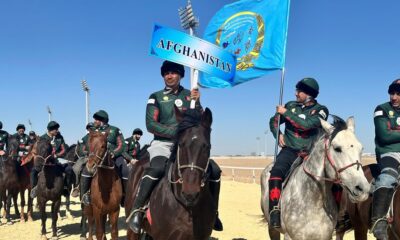
Afghanistan national buzkashi team defeats Hungary 14–0
-
 Latest News5 days ago
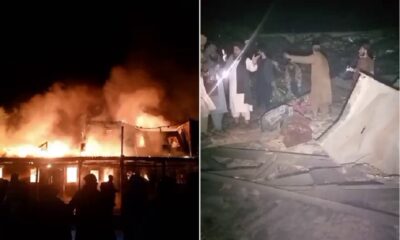
IEA condemns alleged airstrike by Pakistan on drug treatment hospital in Kabul
-
 Latest News4 days ago
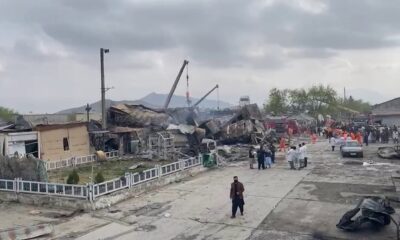
Afghanistan warns Pakistan of ‘teeth-breaking’ response after deadly Kabul bombing
-
 Latest News3 days ago
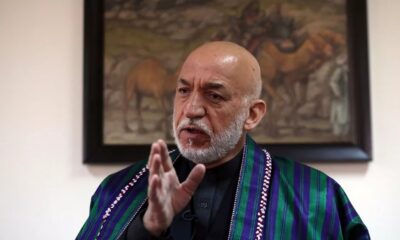
Karzai accuses Pakistan of seeking to destabilise Afghanistan after Kabul strike