
Health
Afghan Physicians operate VSD in Kabul Medical Institute

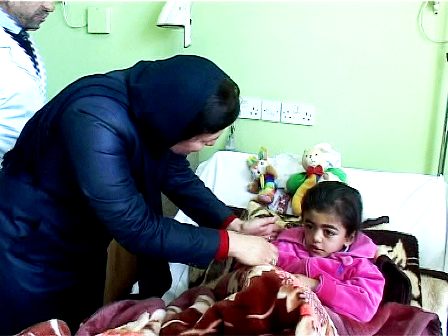

Afghan doctors have just been capable to operate Ventricular septal defect VSD in Kabul medial institute for the first time in the history of medicine in the country.
Doctors have urged that by having necessary equipment and tools to launch operations we will be capable to do any kind of surgery in Afghanistan on heart problems, saying it will also prevent patients no to go to abroad for more treatments and save some of their money.
Meanwhile Minister of higher education has entitled as big achievement and pushing through to provide necessary tools and equipments for the following medical institution.
Ventricular septal defect disease has been rife among Afghan children where most of the poor families cant afford to take their love once to abroad and pay big money to treat their children.
A patient was treated well by the doctors in Kabul medical institute,the doctors have her heart suffering from VSD disease treated and now Miss Maryam who is 11 year old is doing ok.
Professor Shrini aqa Zarif said,” we have used what we had on our hands to treat the 11 year old Maryam to get healthy which the operation was successfully accomplished and she is doing ok.”
They have claimed that if the necessary and other tools for launching operations to be accessed different operations will be taken place here in the country under the supervision of Afghan doctors.
Dr. Manocher Timorian expert on heart disease said,” now we can launch operation on children who are suffering from ventricular septal defect, we hope to have tools to cure other heart disease in the country, this will help Afghans not spend more money to take their love once to abroad.”
Meanwhile Minister of higher education Farida Momand said,” this is a big achievement for doctors specially for doctors in Kabul university medical institute, this will not be the last operation we will continue to our efforts.”
Maryam’s father has thanked all the staffs carrying operation on her daughter’s heart successfully and appreciated officials for further supports to be provided for doctors.
Reported by Hameed Sediqee

Health
Polio cases in Afghanistan rise to six in 2026 as two new cases confirmed
According to the WHO, one of the newly confirmed cases was identified in Nari district of Kunar province, while the other was reported in Nahr-e-Siraj district of Helmand province.
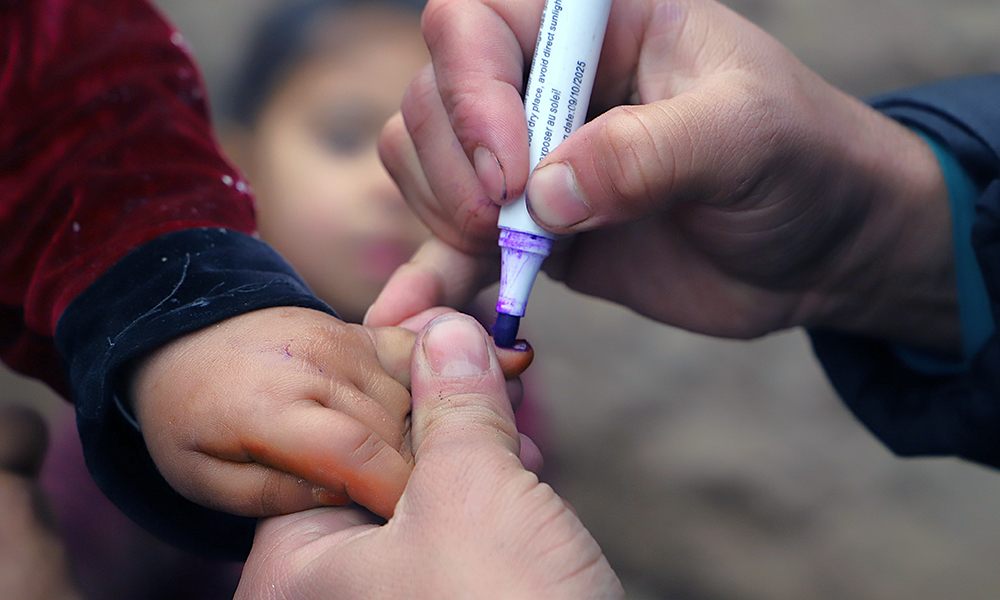
The World Health Organization (WHO) has announced that the number of confirmed polio cases in Afghanistan has risen to six in 2026, following the detection of two new infections in the country.
According to the WHO, one of the newly confirmed cases was identified in Nari district of Kunar province, while the other was reported in Nahr-e-Siraj district of Helmand province. The organization also stated that 34 positive environmental samples of wild poliovirus have been recorded in Afghanistan so far this year.
The report adds that in 2025, a total of 52 wild poliovirus type 1 cases were confirmed across Afghanistan and Pakistan, including 21 cases in Afghanistan and 31 in Pakistan.
WHO further noted that in 2026 so far, nine wild poliovirus type 1 cases have been reported across both countries, with six in Afghanistan and three in Pakistan.
Health experts say that low public awareness, resistance from some families to vaccination campaigns, and limited access to remote areas remain key factors behind the continued spread of the disease.
They emphasize that polio is incurable and vaccination is the only effective way to prevent infection.
Public health specialists also stress the need to expand immunization coverage, particularly in hard-to-reach areas, and to strengthen public awareness campaigns, warning that eradication efforts will remain difficult without broad community cooperation.
Afghanistan and Pakistan remain the only two countries in the world where wild poliovirus is still endemic and has not been fully eradicated.
Health
Health ministry urges greater public participation in blood donation
The appeal was made on Saturday as health officials marked World Blood Donor Day, an annual event aimed at raising awareness about the importance of voluntary blood donation and recognizing the contribution of donors in saving lives.
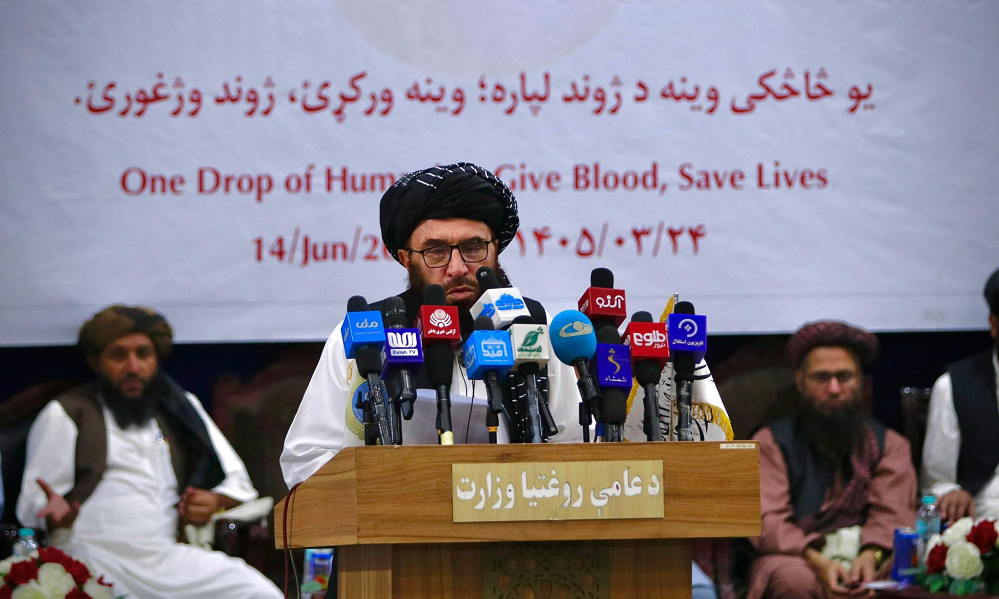
Afghanistan’s Ministry of Public Health has called on citizens to increase their participation in blood donation campaigns, warning that many patients still struggle to obtain compatible blood in emergencies despite improvements in the country’s blood management system.
The appeal was made on Saturday as health officials marked World Blood Donor Day, an annual event aimed at raising awareness about the importance of voluntary blood donation and recognizing the contribution of donors in saving lives.
Speaking at the ceremony, officials highlighted the critical role blood donors play in supporting the healthcare system and ensuring that hospitals have adequate supplies for patients requiring urgent treatment.
Abdul Wali Haqqani, Deputy Minister for Health Services at the Ministry of Public Health, said that shortages in blood reserves continue to pose challenges for healthcare providers, particularly when patients require specific blood types.
“Unfortunately, patients who need blood do not always have immediate access to compatible negative blood groups,” Haqqani said. “Blood donation is a simple yet invaluable humanitarian act. The World Health Organization recommends that at least one percent of a country’s population donate blood regularly to maintain sufficient reserves.”
Haqqani stressed that increasing public participation in blood donation could significantly improve the availability of life-saving blood supplies and strengthen healthcare services across the country.
Meanwhile, Wahdat Alkozi, Director of Curative Medicine at the ministry, said Afghanistan has made notable progress in blood management in recent years. He noted that standardized blood separation and storage systems are now operating at the Central Blood Bank and several regional hospitals.
“We are working to expand these systems throughout the country so that patients can have greater access to safe and standardized blood services,” Alkozi said.
According to officials from the Central Blood Bank, more than 220,000 units of blood were collected from voluntary donors over the past year. The blood was used in the treatment of more than 250,000 patients nationwide, underscoring the growing demand for blood supplies in hospitals and healthcare facilities.
However, Niazgul Niazmand, head of the Central Blood Bank, said the shortage of negative blood groups remains a major challenge due to the limited number of donors with those blood types.
Health experts emphasize that blood donation not only helps save the lives of accident victims, surgical patients, mothers experiencing childbirth complications, and individuals suffering from serious illnesses, but can also benefit donors by promoting healthy blood circulation and stimulating the production of new blood cells.
World Blood Donor Day is observed every year on June 14 to encourage voluntary blood donation and raise awareness about the ongoing need for safe blood and blood products around the world.
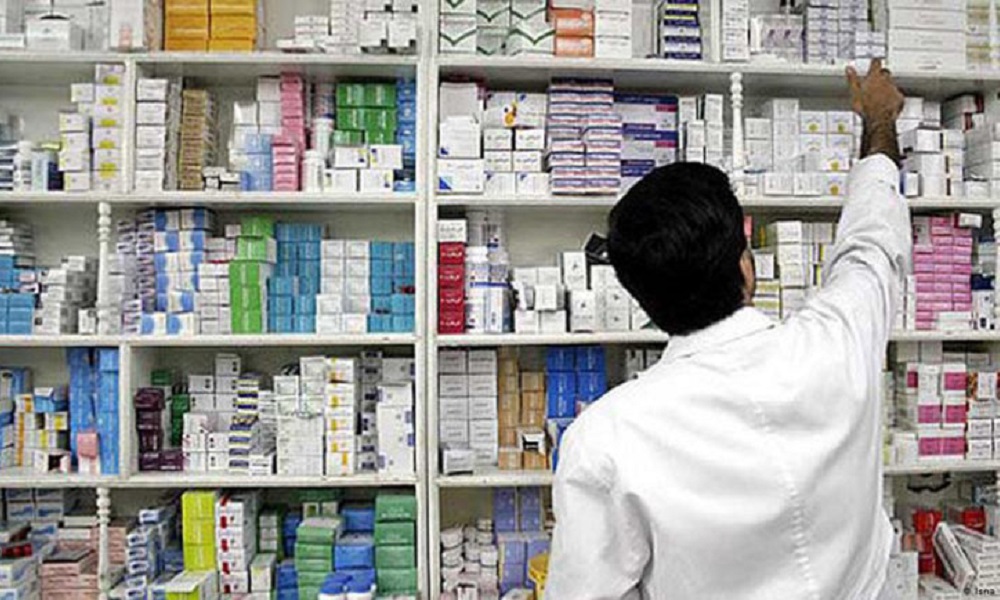
Russian pharmaceutical manufacturer Pharmasyntez is preparing to enter the Afghan market after reaching an agreement with Afghanistan’s Ministry of Public Health to begin supplying medicines to the country, as Kabul faces growing challenges in securing reliable drug imports.
The company said the first shipments are expected to arrive within the next two months, with supplies expected to include insulin, antibiotics, and medicines for cardiovascular diseases and cancer — products that Afghan health authorities say are in high demand.
Afghanistan relies heavily on imported medicines, with most pharmaceutical supplies traditionally coming from Pakistan, Iran, India, and Middle Eastern countries.
However, industry analysts say recent tensions between Afghanistan and Pakistan have disrupted some supply chains, creating shortages and opening opportunities for new suppliers.
Pharmasyntez said it decided to enter Afghanistan because of the country’s limited access to quality medicines.
The company’s portfolio includes more than 300 pharmaceutical products manufactured across seven production facilities in Russia.
Founded in 1997 in Irkutsk by businessman Vikram Punia, the company currently exports mainly to Kazakhstan, Uzbekistan, and Belarus, while also operating in markets including Myanmar and the Dominican Republic.
According to publicly available information, Pharmasyntez is the first major Russian pharmaceutical company to formally target the Afghan market.
Trade relations between Afghanistan and Russia have expanded in recent years, with Afghanistan’s Ministry of Industry and Trade reporting annual bilateral trade of around $538 million.
Russia currently exports wheat, flour, fuel products, timber, and sunflower oil to Afghanistan.
The last known Russian medicine deliveries to Afghanistan were humanitarian aid shipments sent after the deadly earthquakes that struck Herat province in 2023.


FIFA, TikTok and Atlanta unite to tackle hate speech ahead of World Cup clash

Polio cases in Afghanistan rise to six in 2026 as two new cases confirmed

Trump says US may seek return of military equipment left in Afghanistan

Messi hat-trick powers Argentina to 3-0 victory over Algeria in World Cup opener

The 14-point US-Iran pact as read by US official

Norway’s Viking-inspired World Cup team photo goes viral

Afghanistan announce squad for India series

Afghanistan, Russia sign military cooperation agreement

Major pharma firms eye investment in Afghanistan

Afghanistan expands oil production as investment in Amu Darya fields grows

Tahawol: Passage of 3 Iranian tankers through US naval blockade discussed

Saar: Discussion on outcome of G7 summit in France

Tahawol: New chapter in regional cooperation discussed

Saar: Extension of UNAMA Mission in Afghanistan discussed

Tahawol: US and Iran’s preliminary agreement to end war
-
 Latest News3 days ago
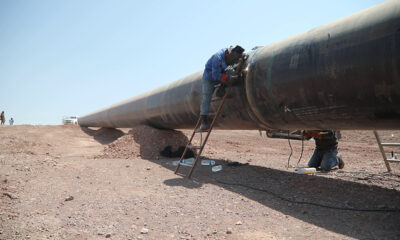
TAPI project advances in Afghanistan as 84kms of pipeline laid
-
 Regional4 days ago
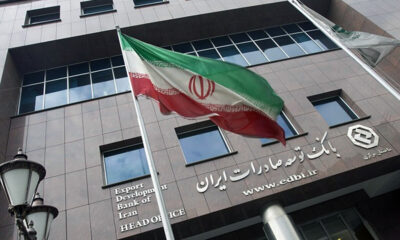
Iran banks hit by major cyber attack
-
 Latest News5 days ago
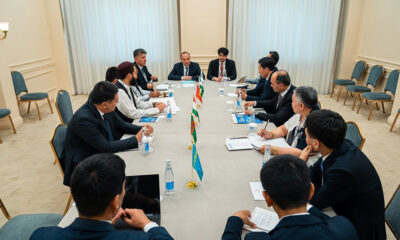
Central Asia–Afghanistan dialogue underscores regional connectivity and stability
-

 International Sports3 days ago
World Cup 2026: Havertz, Ayari and Balogun lead Golden Boot standings
-
 Latest News4 days ago
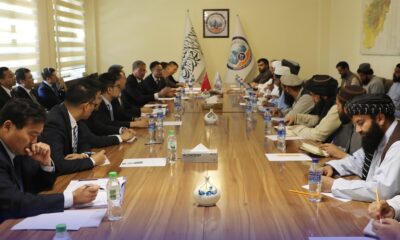
Afghan officials press Chinese delegation on Mes Aynak mining project
-
 Latest News4 days ago
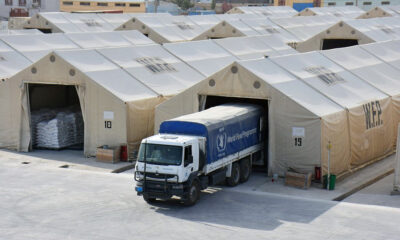
WFP navigates complex route to deliver emergency food aid to Afghan schoolchildren
-

 Sport5 days ago
India beat Afghanistan by 7 wickets despite Gurbaz century in ODI opener
-

 Business5 days ago
Iranian private sector delegation arrives in Kabul to boost trade and investment cooperation